
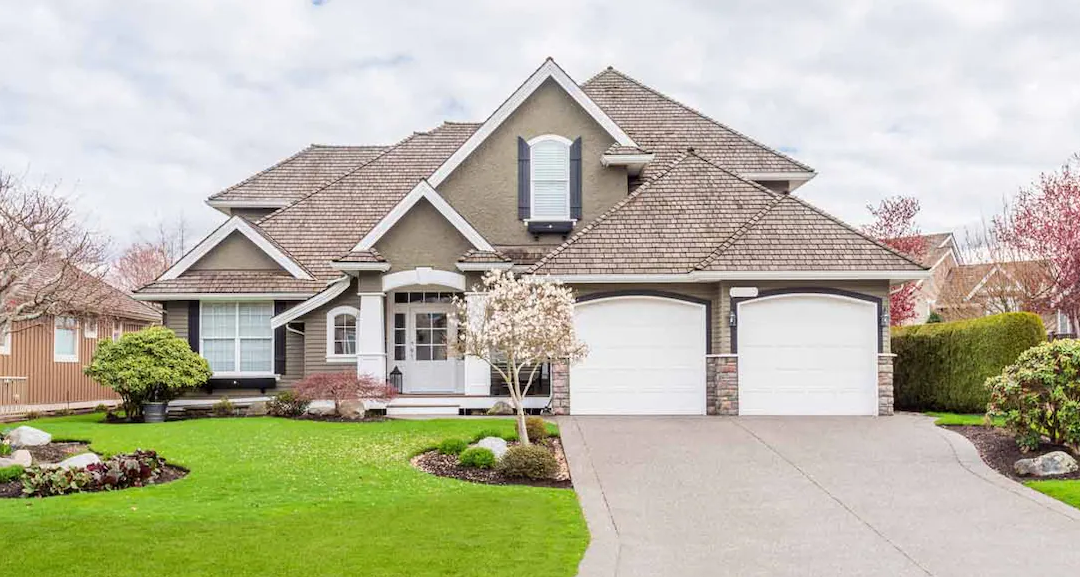
Regarding having your own dream house, you have two major paths to follow: constructing a new house or upgrading an already constructed one. Each of the two options has its advantages and disadvantages. In Canada, housing markets can be very different depending on the region and therefore it is important to consider both options. Be it a bespoke designed home or you are attracted by the vintage style and personality of an older house, we have listed the main points to take into consideration when deciding between a new house or renovating an old one.
Understanding the Basics: What’s the Difference?
Building a New House
When constructing a new house, one gets a clean slate. The space can be planned to suit your specific requirements, including the layout and finishes to energy efficient systems. Here, it is all new, the structure, plumbing, electrical systems and appliances.
Renovating an Old House
The renovation of an old house, however, is the work with the existing one. Home renovations are generally the updating or replacement of the current systems and features of the house but the home is kept with its original bones.
The Pros of Building a New House
Customization at Its Best
The possibility of customizing is one of the greatest benefits of constructing a new house. You can control every detail of the floor plans to materials. Want a gourmet kitchen or a spacious master suite? It’s entirely up to you. In case you have certain needs, such as wheelchair accessibility or a home office, a new house will be able to address them with ease.
Modern Design and Features
New houses are normally constructed using current design and technology. This involves energy efficient appliances, intelligent home systems and contemporary materials that adhere to the most recent requirements in regard to sustainability and energy efficiency. The winters in Canada are very cold and thus having a house with a sophisticated insulation and heating system will make you save on the long-run.
Fewer Maintenance Costs
With a brand-new house, everything is in pristine condition. One does not have to be concerned about old plumbing or electrical problems. This translates to less repair expenses during the initial years of ownership which is a relief and a saving. Also, new houses are usually accompanied by warranties that may cover any problems that may occur in the initial years.
Fewer Surprises
By constructing a new house, you are using the latest methods of construction which may avoid the problems that may occur in the old houses. No chance of undisclosed structural issues, old wiring, or infestation of bugs or rodents, the usual issues when remodeling an old home.
The Pros of Renovating an Old House
Preserving Character and Charm
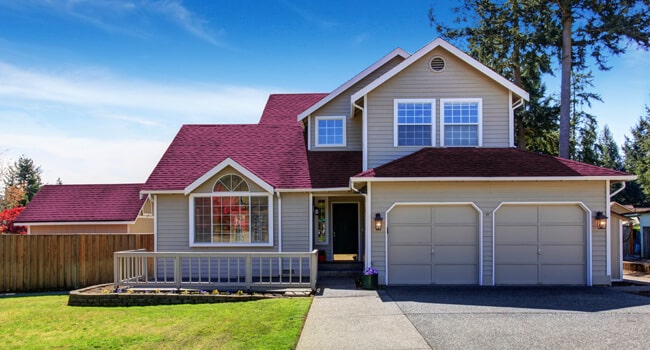
Older houses usually possess distinct architectural elements which could not be reproduced in new construction, such as hardwood floors, elaborate mouldings and tall ceilings. By renovating an old house, you can maintain this character and modernize it to the new standards. Renovation may be the best option in case you are in love with the past and character of an old house.
Cost Considerations
Although the cost of renovations may become high, it might be cheaper than building a new one. Building a new home does not only mean the cost of construction but also the cost of land. In the case where you have acquired a property already, the renovation of the same may be a cheaper method of attaining your dream home. Also, renovation costs of materials and labor may be cheaper than new construction depending on your area.
Location
The restoration of an old house may provide you with a place that would be hard or costly to create using new construction. Senior homes are usually located in mature neighbourhoods with convenient access to schools, amenities, and public transport. Renovation enables you to retain the location you like and renovate the property to suit the current requirements.
Environmental Benefits
The reuse of buildings can be environmentally beneficial as opposed to new construction. Reusing the existing structure will decrease the waste generated in the construction process and will also lower the environmental cost of new materials. Renovation can be more compatible with sustainable practices in the case of people interested in sustainability.
The Challenges of Building a New House
Higher Initial Costs
Constructing a new house is usually more expensive than renovating an old one, not forgetting the cost of land, permits, and connections. It may be expensive to customize the finishes or have special features, as well. In addition, the construction process may be delayed than expected causing delays and extra expenses.
Time-Consuming
It is a long process to construct a new house, which usually requires several months up to more than one year, depending on the level of the design. In the process, you will be required to locate temporary accommodation that may come with an additional source of stress and expense. The long-time frame may also be annoying when you are keen to move to your new space.
Which Option is Right for You?
Whether to construct a new house or to refurbish an old house all depends on your personal preference, budget and timeframe. In case you desire a contemporary, personalized location with low maintenance, then constructing a new house would be the most appropriate. Conversely, upgrading an existing one may be the solution, especially when you love the character of an older home, when you want to save on location costs, or you just like the challenge of renovation.
You need to think about your long-term objectives before making your final decision. Either of them can be a good choice in case you are intending to live in your house over a long period. But in case you want to sell it soon, then the value of your investment will be determined by the local market and the magnitude of your project.
Ultimately, regardless of whether it is a construction project on a ground-up basis or a rehabilitation project on an old jewel, the result is the same, to make it a home.